
Fashion is one of the most polluting industries in the world. The fast fashion trend, in particular, contributes significantly to environmental damage. If you’re looking to make a positive impact and create a more sustainable wardrobe, here are some tips to help you get started.
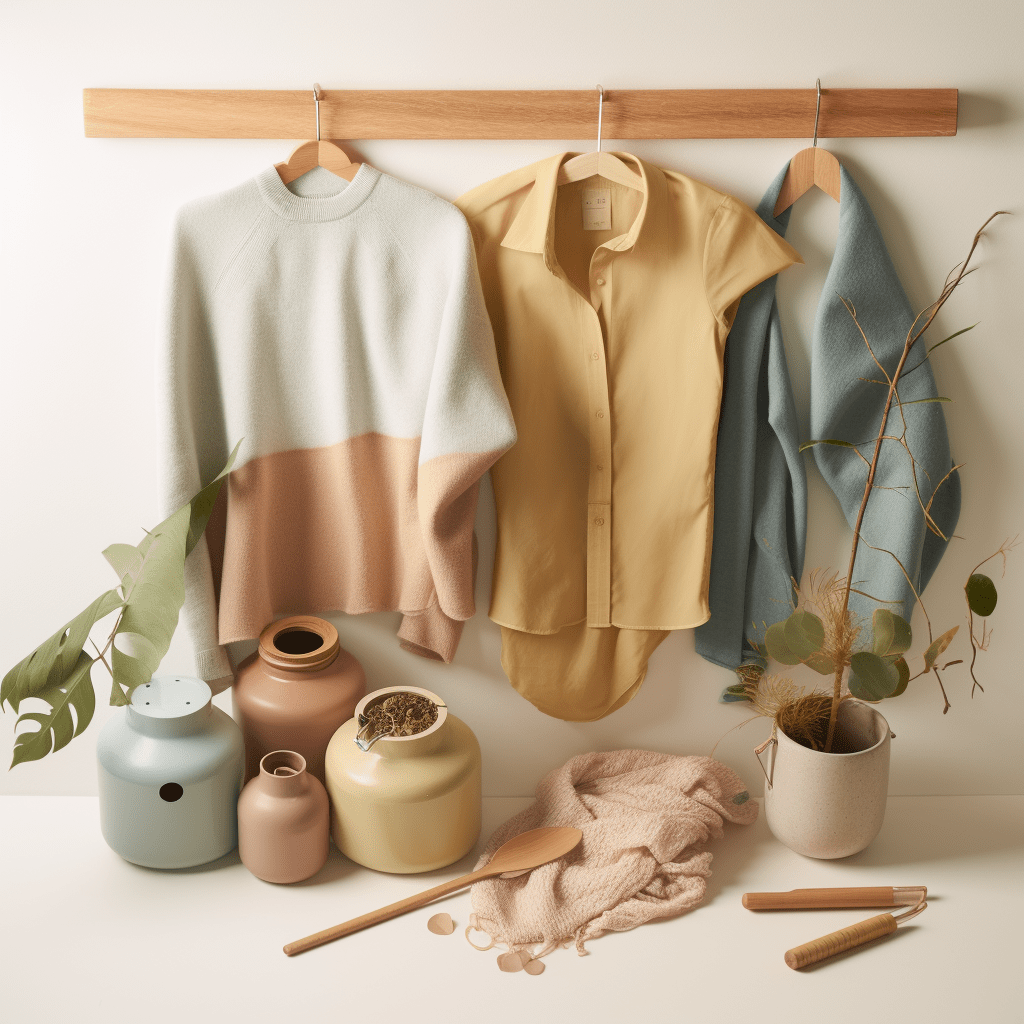
- Choose Eco-Friendly Materials: Opt for clothing made from sustainable, eco-friendly materials such as organic cotton, linen, and hemp. These materials are produced with fewer chemicals and less water compared to conventional fabrics. Browse through these eco-friendly clothing options to find items that align with your values.
- Support Ethical Brands: Research and support brands that prioritize ethical and sustainable practices. These brands focus on fair labor practices, eco-friendly production methods, and minimal waste. Check out these ethical fashion brands to discover new favorites.
- Buy Second-Hand: Purchasing second-hand clothing is a great way to reduce your environmental impact while saving money. Visit local thrift stores, consignment shops, or browse online platforms like second-hand clothing options to find stylish, pre-loved pieces.
- Invest in Quality Pieces: Choose high-quality clothing that is designed to last. Investing in well-made, durable garments can save you money in the long run and reduce the amount of clothing waste that ends up in landfills. Consider these high-quality clothing options to build a lasting wardrobe.
- Practice Proper Care: Taking care of your clothing can help extend its lifespan and reduce the need for frequent replacements. Follow care instructions, mend small tears or loose buttons, and avoid over-washing to keep your clothes in good condition.
- Rent or Borrow for Special Occasions: Instead of purchasing new clothing for special events, consider renting or borrowing from friends or family. This can help reduce the number of rarely-worn garments in your closet and cut down on fashion waste. Explore clothing rental services to find the perfect outfit for your next event.
- Recycle or Donate Unwanted Clothing: When it’s time to part with an item of clothing, recycle or donate it instead of throwing it away. Many organizations accept clothing donations, and some retailers even offer recycling programs for old garments. Look for clothing donation centers near you to give your unwanted items a new life.
Conclusion: Creating a sustainable and eco-friendly wardrobe may take time and effort, but the positive impact on the environment and your personal values is worth it. By making mindful choices and adopting sustainable practices, you can contribute to a greener and more ethical fashion industry.
**This post may contain affiliate links. If you make a purchase through these links, GreenMavenLife may earn a commission at no extra cost to you. Thank you for supporting our mission to promote sustainable living.**

 GREEN MAVEN LIFE